
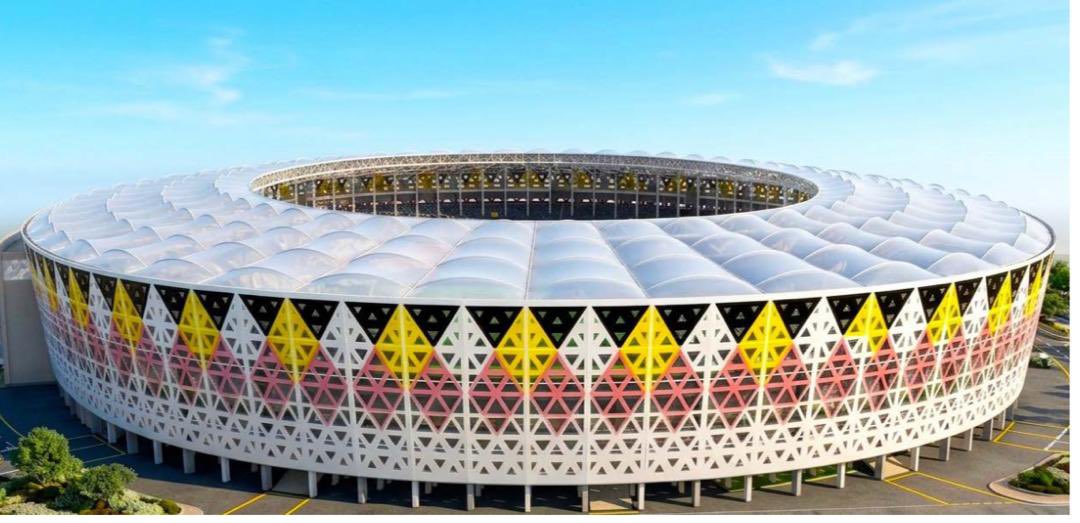
CAF President Patrice Motsepe has dismissed concerns over the readiness of the three AFCON 2027 co-hosts Uganda, Kenya and Tanzania following reports of delays in infrastructure development, particularly in Kenya.
Motsepe, speaking on Wednesday in Johannesburg, said preparations remain on schedule, with CAF working closely with the governments of Uganda, Kenya and Tanzania to ensure the tournament is successfully delivered.
“Good progress is being made with the preparations for the TotalEnergies CAF AFCON PAMOJA 2027,” Motsepe said.
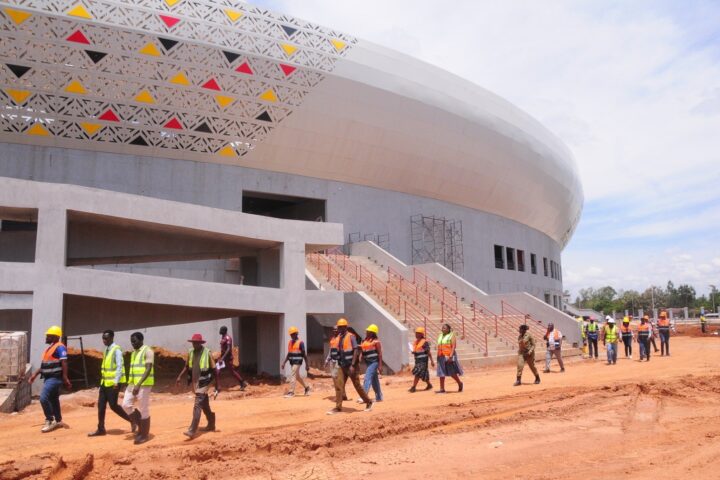
“The governments of Kenya, Tanzania and Uganda are fully committed and are cooperating with CAF to ensure that the stadiums, training facilities, accommodation, transport, safety and security, medical services, technology, broadcasting and other infrastructure meet the required standards for a successful AFCON PAMOJA.”
His remarks are expected to ease concerns over the state of preparations as the three East African nations continue upgrading infrastructure ahead of hosting the continent’s biggest football showpiece.
Is Uganda Ready?
Few days ago, Parliament demanded monthly progress reports on Uganda’s preparations to co-host the 2027 Africa Cup of Nations (AFCON), calling for increased oversight to ensure transparency, accountability and timely completion of infrastructure projects.
The demand followed a ministerial statement by State Minister for Sports Peter Ogwang, who assured legislators that Uganda remains on schedule to host the tournament alongside Kenya and Tanzania from June 19 to July 18, 2027.
Uganda is set to host matches at Mandela National Stadium Namboole, and Hoima City Stadium, while eight training facilities are being upgraded to meet CAF standards. Government has committed more than Shs2.25 trillion towards sports infrastructure, logistics and related projects.
MPs warned against delays, cost overruns and accountability challenges, citing lessons from Uganda’s 2007 CHOGM preparations. They called for regular updates on construction progress, expenditure and procurement milestones.
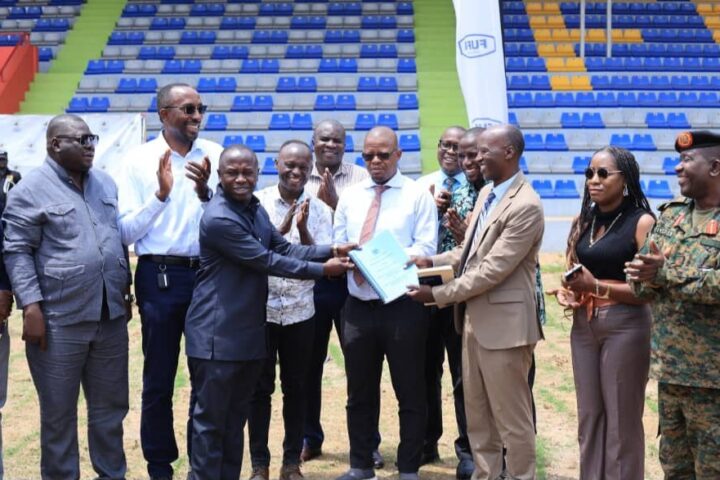
Ogwang welcomed Parliament’s oversight role, saying government would cooperate with inspections and provide updates on the progress of AFCON-related projects.
He also clarified that the Shs101.1 billion support package for selected hotels will be issued as subsidised loans through Uganda Development Bank to help facilities meet CAF requirements.
AFCON PAMOJA 2027 Qualifiers groups:
GROUP A: Morocco, Gabon, Niger, Lesotho
GROUP B: Egypt, Angola, Malawi, South Sudan
GROUP C: Cote d’Ivoire, Ghana, The Gambia, Somalia
GROUP D: South Africa, Guinea, Kenya, Eritrea
GROUP E: DR Congo, Equatorial Guinea, Sierra Leone, Zimbabwe
GROUP F: Burkina Faso, Benin, Mauritania, Central African Republic
GROUP G: Cameroon, Comoros, Namibia, Congo
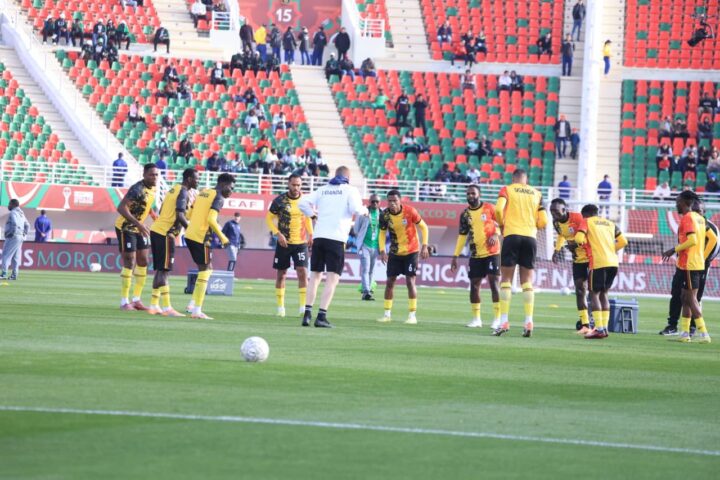
GROUP H: Tunisia, Uganda, Libya, Botswana
GROUP I: Algeria, Zambia, Togo, Burundi
GROUP J: Senegal, Mozambique, Sudan, Ethiopia
GROUP K: Mali, Cape Verde, Rwanda, Liberia
GROUP L: Nigeria, Madagascar, Tanzania, Guinea-Bissau
Post a comment