
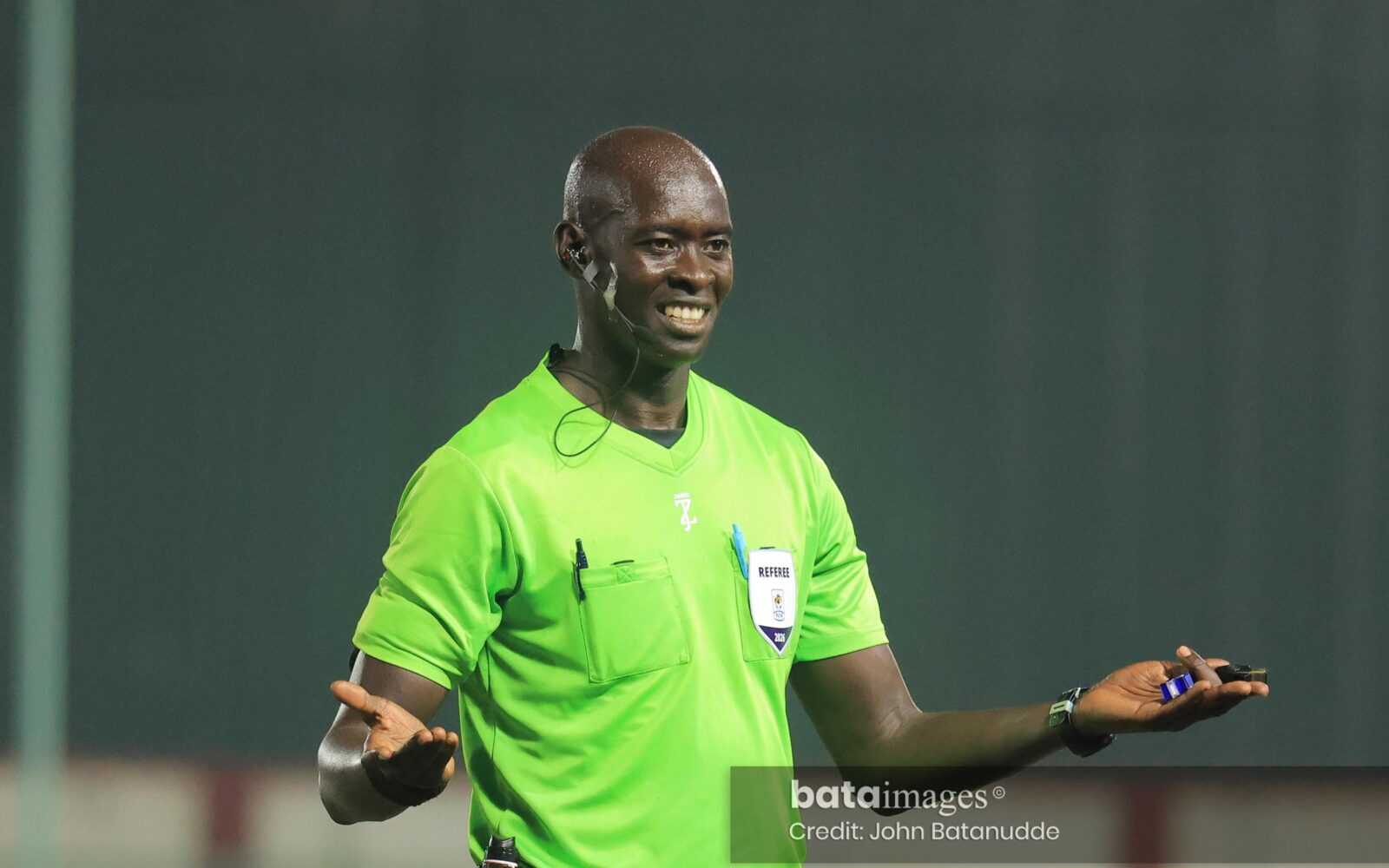
The 2025/2026 Uganda football season has been heavily affected by controversial refereeing decisions.
In response, the Federation of Uganda Football Associations (FUFA) has taken a strong position on discipline and accountability by suspending referees involved in serious officiating mistakes.
However, in a surprising development, FUFA’s Appeals Committee overturned the three-month suspension of referee Asadu Ssemere, allowing him to return immediately to officiating matches.
The decision has created debate among football stakeholders because many people believed the mistakes that led to his suspension were clear and serious.
Why Was Asadu Ssemere Suspended?
Ssemere was suspended after a Uganda Premier League match involving SC Vipers and Kitara FC.
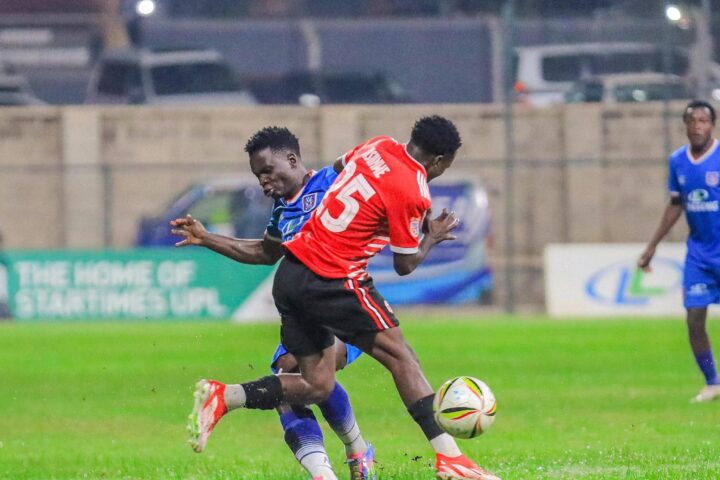
According to the video of the match, he made two major decisions that many believed affected the outcome of the game:
•He failed to issue a red card to Kitara goalkeeper Kibirige for serious foul play on Sc-Vipers captain karisa, an offence that is considered a clear sending-off under the Laws of the Game.
•He also allegedly denied SC Vipers a clear penalty after the offence on karisa
Many football stakeholders argued that these decisions directly influenced the result of the match.
What Happened After the Appeal?
After successfully appealing the suspension, Ssemere was immediately reinstated and appointed to officiate the Uganda Premier League match between Police FC and UPCP, replacing the referee who had initially been assigned the game as a reward for his loyalty.
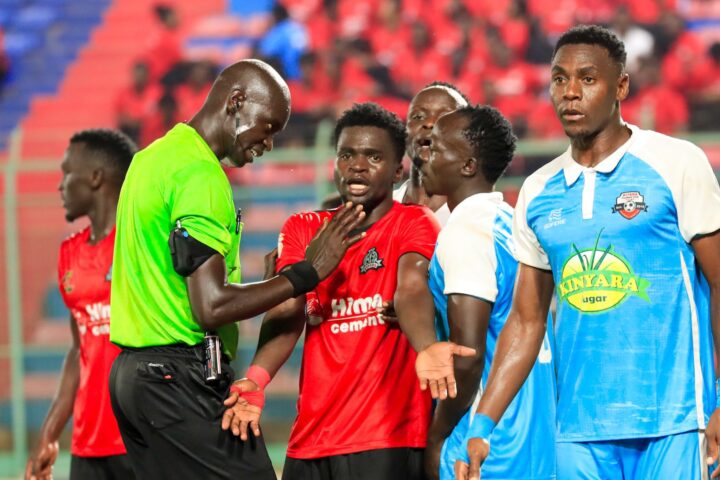
This has raised more questions within football circles, especially among active referees who believed the original suspension had been justified.
Claims of Influence During the Appeal Process
•Alleged Role of FRSC Leadership
Reports from football and refereeing circles suggest that a senior member within the FUFA Referees Standing Committee (FRSC) strongly supported Ssemere throughout the appeal process.
Sources claim the FRSC leadership/member encouraged him to challenge the suspension and offered guidance during the appeal that is why the FRSC has immediately appointed him for a match.
This has led to accusations from some referees that the refereeing system is becoming divided, especially between FIFA referees and non-FIFA referees for example the current leadership thinks that a Female FIFA referee is better than a male national elite referee which is practically wrong and not true.
Some referees also raised concerns about:
Alleged favoritism in referee appointments.
Unequal treatment of referees during disciplinary cases.
Claims that certain referees are portrayed as more important than others regardless of performance.
Growing divisions within the refereeing fraternity;
Critics further pointed to past controversies involving the FRSC leadership, accusing some officials of misleading the FUFA executive, including the FUFA President, by allegedly claiming that CAF had formally requested the reinstatement of referee Okello Dick to FIFA status.
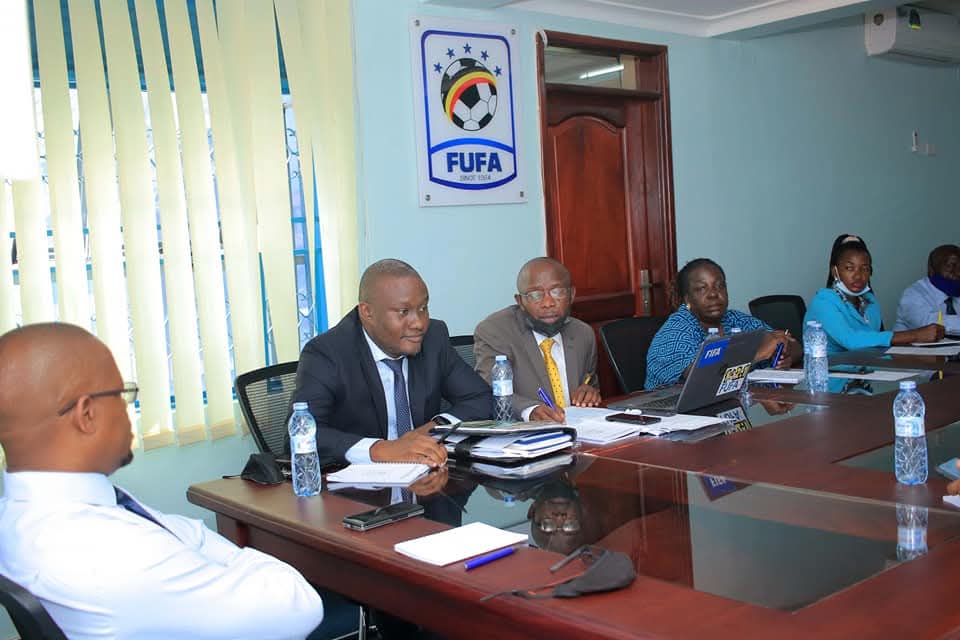
Critics insist no such request existed and question why, if CAF truly valued him highly, he has not been considered for major continental assignments since his return.
The debate also revived discussions surrounding Okello Dick’s reinstatement after he previously missed the FIFA Club World Cup while serving as an assistant FIFA referee due to failure to meet COVID-19 vaccination requirements.
Some stakeholders believe the process lacked transparency and has continued to fuel mistrust within sections of the refereeing fraternity.
Some stakeholders questioned whether transparency and honesty were maintained during that process.
Alleged Influence Within FUFA Legal Structures
Football insiders also claim that a powerful member within FUFA’s legal and rules structures advised Ssemere to appeal and allegedly assured him of protection during the process.
Although no official names have been publicly confirmed, these reports have increased concerns about fairness and independence in FUFA’s disciplinary system.
Reactions From Active Referees
Leaked WhatsApp discussions among active referees reportedly showed frustration and dissatisfaction with the whole process on all the Committee’s decision.
Several referees questioned why officials involved in other controversial matches remained suspended, while Ssemere’s punishment was overturned.
Some referees argued that in previous cases, officials were punished for less serious mistakes, while Ssemere’s case involved:
•Failure to award a clear penalty.
•Failure to issue a red card.
Decisions considered by many to have changed the result of the match.
Others believe all referees who were previously suspended under similar circumstances should also be given equal opportunities to appeal.

Concerns About the Current Refereeing Leadership
Some stakeholders believe the current FRSC leadership has created more division than unity among referees and assessors.
The main grievances raised include:
•Lack of consistency in disciplinary decisions.
•Perceived favoritism in referee appointments.
•Unequal opportunities among referees.
•Poor communication within the refereeing structure.
•Loss of trust in the disciplinary process •Concerns that personal relationships may influence decisions.
•Some referees fear that such decisions could weaken confidence in Ugandan football officiating.
Referees Disciplinary Panel (RDP) Concerns
According to sources familiar with the disciplinary process, controversial incidents are usually reviewed using video footage by retired senior referees before punishments are issued.
One retired senior national referee reportedly expressed shock after Ssemere’s suspension was overturned, describing the original mistakes as “clear and indefensible.”
The retired official allegedly warned:
“If this is how decisions are going to be handled, then refereeing is dead.”
What Happens Next?
Despite the controversy, Asadu Ssemere has already returned to active officiating and is expected to continue handling Uganda Premier League matches.
However, the decision continues to divide opinion across Ugandan football.
Many stakeholders now question whether future disciplinary cases will be handled consistently, fairly, and transparently.
The case has also become an important test for FUFA’s credibility in managing refereeing standards, discipline, and accountability in Ugandan football.
Post a comment