
Every time Uganda wins a medal, the country celebrates together. But behind every celebration lies a broken system that many athletes endure silently
To:
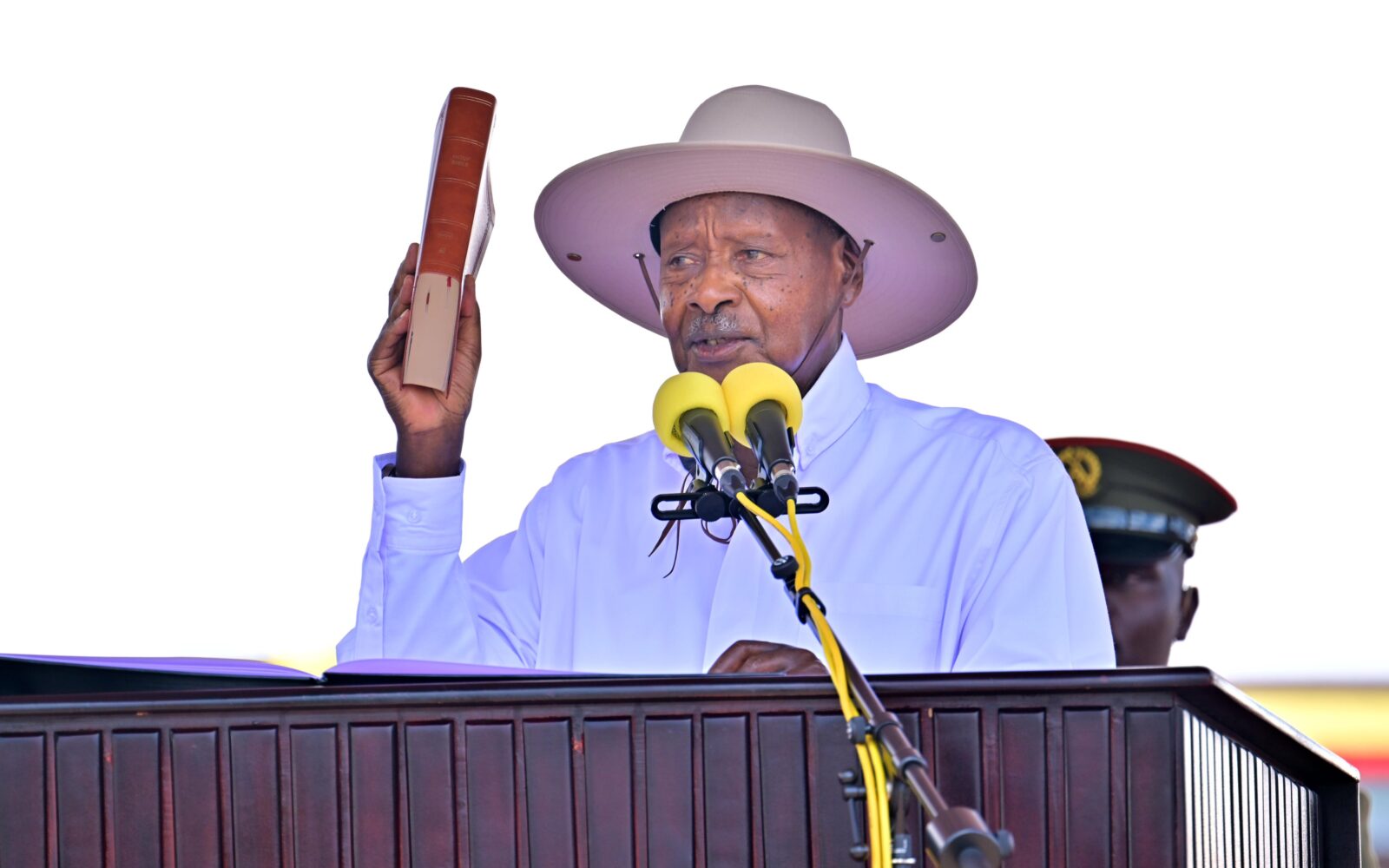
His Excellency Yoweri Kaguta Museveni
President of the Republic of Uganda
May 14, 2026
State House of Uganda
P.O. Box 25497
Kampala
Uganda
Tel: +256 414 231 900
Email: support@statehouse.go.ug
Your Excellency,
As you begin another five years at the helm of Uganda, one sector silently crying out for rescue is sports.
For starters, allow me to commend your government for the recent investments in the sector. The increased funding through the National Council of Sports (NCS), the ongoing construction of stadiums, and Uganda’s growing visibility on the international sports scene are commendable steps.
The last time I checked, approximately Shs46 billion is allocated to the National Council of Sports, with about Shs36 billion expected to go directly to sports federations. However, whether this money fully reaches its intended beneficiaries — and whether it is used for its intended purpose — remains part of the deep-rooted rot suffocating Ugandan sports.
Last year, I attended the Annual General Meeting of the Uganda Table Tennis Association. Part of the discussions centred around accusations against the federation’s General Secretary, Ronald Andira, who was accused of embezzling about Shs12 million. The allegations included failure to purchase equipment, questionable accountability for a tournament in Mbale, media budgets, and other federation expenditures.
Unfortunately, this is not an isolated case.
During your recently concluded term, Sarah Babirye Kityo — now Member of Parliament for Bukoto East — publicly accused officials at the National Council of Sports of soliciting kickbacks. The fallout led to her removal from office, the federation’s suspension by the international body, and since then, that sport has never truly recovered.
The endless wrangles between NCS and various federations have, in some instances, cost Uganda participation in international competitions, with funding gaps often cited as the main reason.
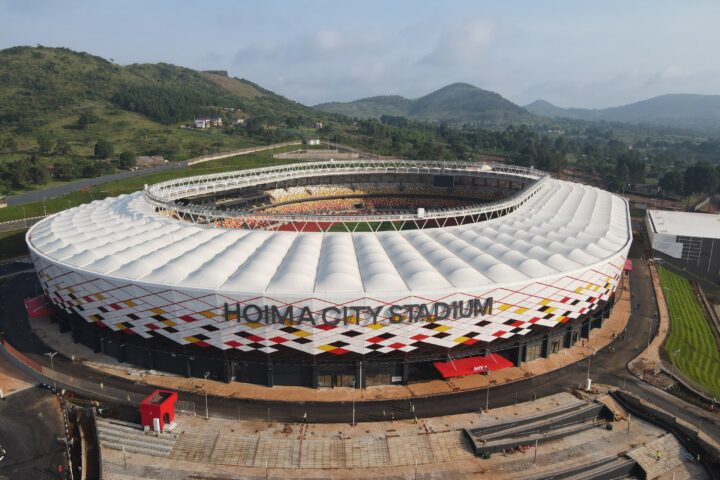
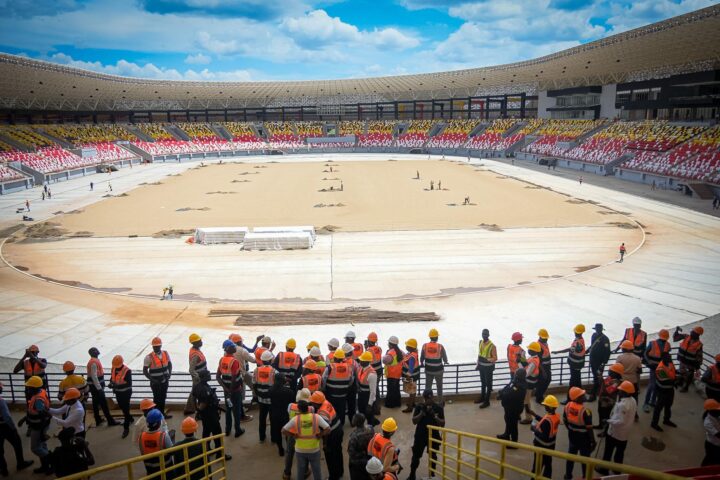
Your Excellency, in your manifesto, you pledged that the NRM government would continue harnessing the talents of young people through infrastructure development and support for sportsmen and women. Indeed, the investment in Hoima Stadium and Akii-Bua Stadium — reportedly costing over Shs1.4 trillion combined — is a significant statement of intent.
But as new stadiums rise, kindly remember that even existing facilities are sometimes inaccessible to the very athletes they were built for.
At times, Lugogo Cricket Oval and the Indoor Arena host more concerts than sporting events. Meanwhile, athletes continue to struggle for adequate training spaces.
Many administrators and club officials have also exploited athletes through unpaid salaries, broken promises, and poor welfare. Many athletes have been frustrated by the system and have left sport altogether at an early age. Some legends are now living in poverty, forgotten by a system they once represented with pride.
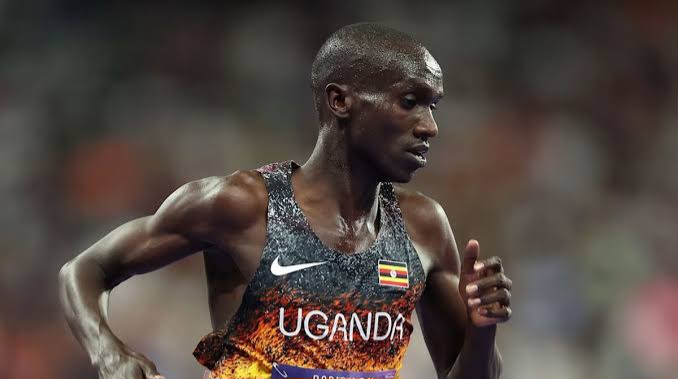
Under your leadership, Uganda has witnessed the rise of global stars across various disciplines, especially athletics. However, many of these athletes have been frustrated by administrative failures and no longer find joy in representing the country. Some are owed allowances stretching back five years. For women’s teams in particular, the struggle remains severe, with rugby teams reportedly pulling out of leagues due to financial constraints.
Mzee, in this new term, athletes should focus on chasing medals, not chasing unpaid allowances.
The stories of unfulfilled presidential pledges and promised bonuses to national team athletes are well known and perhaps deserve a separate conversation altogether.
You also pledged to increase support for sports in schools as a pathway for talent identification and development. Yet today, school competitions are increasingly undermined by the use of overage and ineligible players. In some cases, heavy commercialisation by private schools has turned competitions into marketing platforms rather than talent development systems.
Two years ago, four schools in Bunyoro were banned. Last year, five more faced similar sanctions, including Gombe High, Royal Giants, and Tororo Town College among others. Boxing was also removed from schools’ competitions, and the consequences are visible today — with Uganda failing to produce a boxer at the recent Olympic Games.
In the ghettos, local playgrounds — the surviving dreams for many of your bazukulu — are being demolished day by day.
Your Excellency, you also spoke of creating a conducive environment for private sector investment. Could there not be deliberate policies encouraging both private companies and government institutions to invest more meaningfully in sports? Not only through occasional CSR activities, but through structured, long-term partnerships and sponsorships.
Going forward, there is also need to reconsider the structure of sports governance in Uganda. The Ministry of Sports should be made independent from the education sector. The National Council of Sports should be further empowered to intervene in how federations are run, beyond merely disbursing funds.
While federations are semi-autonomous by law, there should be stricter enforcement of term limits, transparent elections organised with NCS oversight, and stronger accountability mechanisms.
Government support should also extend beyond national teams alone. Ugandan clubs representing the country in continental competitions equally carry the national flag and, in some cases, have marketed Uganda better than the national teams themselves. They too deserve structured financial support.
Mzee, just as the Uganda Tourism Board and related ministries are using international artistes to market the country, sports should be fully embraced as a national branding tool. The examples of countries like Brazil and England speak for themselves.
Issues such as witchcraft in sport and match-fixing will be addressed in a separate letter.
Globally, the sports industry is estimated to be worth over USD 417 billion and is projected to exceed USD 600 billion by 2030. This is a reminder that sports are not merely “byamizannyo,” as once casually referred to.
Nothing unites the youth more than sports.
Sports create jobs. Sports improve Uganda’s image. Sports reduce crime. Sports give hope.
I therefore humbly call for independent audits in sports federations, stronger athlete protection policies, better contracts, increased investment in grassroots sports, infrastructure beyond AFCON 2027 projects, and above all, accountability in the management of public sports funds.
Uganda does not lack talent.
It lacks clean systems.
Your concerned Muzukulu,
Brian Kawalya, (a UPE product)
Also read:
Post a comment