

The 2025/26 Uganda Premier League season had everything — controversy, drama and disappointment!
From the divisive ‘new format’ to Vipers being crowned champions. From Midigo to Kamwenge, the league traversed areas across the country.
While some clubs rose above expectations, others struggled under pressure. The season produced breakout stars, unforgettable moments and painful lessons!
This review takes a closer look at the good, the bad and the ugly of the 2025/26 Uganda Premier League season — the stories that shaped a season to remember, and to forget for some.
THE GOOD
The Venues and the Fans
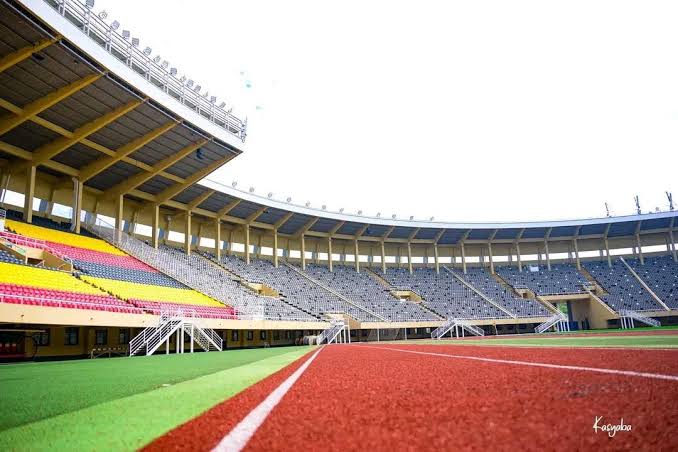
For the first time in recent memory, the Uganda Premier League enjoyed relative stability in terms of playing venues throughout the season, despite the strict FUFA Club Licensing regulations that have previously left several clubs scrambling for homes.
Mbarara City were among the few heavily affected sides, forced to temporarily move away from Kakyeka Stadium to Kamwenge, while Maroons shifted some of their final home matches to Wankulukuku.
One of the positives of the campaign was seeing Police FC finally start life at their new home ground — Kira Road Playground in Kamwokya — after years of uncertainty and constant movement. SC Villa also took the league to Kadiba after leaving Wankulukuku, while the competition expanded its footprint with league football played in Bugonga through Entebbe UPPC and in Midigo courtesy of Calvary FC.
The increase in night matches also greatly improved attendance figures and the overall matchday atmosphere. Fans turned up in bigger numbers, especially for fixtures under the lights. Equally encouraging was the reduction in crowd trouble and hooliganism, with only the abandoned Calvary versus SC Villa fixture in Midigo standing out as a major incident. The issue of fewer games on TV will be for another day.
New Kids on the Block
The season also introduced several exciting new faces who arrived and immediately announced themselves on the big stage.
NEC FC midfielder Joseph Sseremba, signed from Big League side Kigezi HomeBoyz, enjoyed an outstanding debut campaign alongside compatriot Charles Waibi, who later earned a move to Nairobi United after impressive displays. KCCA’s Sammy Ssebaduka, arriving from York University in the United States, also showed flashes of brilliance and composure beyond his years.
The same praise can be extended to goalkeepers David Lukwago at SC Villa and Khassim Hafiz at Express, defender Raymond Barasa Mangoli at SC Villa, and Calvary striker Lawrence Olaboro, all of whom produced memorable performances throughout the campaign.
Historically, newly promoted teams in the Uganda Premier League have struggled to survive, with many relegated at the first attempt. Entebbe UPPC defied that trend spectacularly, finishing sixth in their debut season. SC Villa also played some of the most attractive football in the league, while NEC FC established themselves as one of the hardest sides to break down, highlighted by an impressive 10 cleansheets in a row.
THE BAD
Officiating and FUFA Bans
Once again, officiating remained one of the league’s biggest weaknesses, and this was exposed even more during televised matches where replay technology allowed fans and analysts to scrutinize controversial decisions.
SC Villa appeared to suffer the most from questionable officiating, with several major calls going against them, including back-to-back wrongly disallowed goals against Express and Police, among other contentious incidents during the season.
Some referees found themselves dominating headlines for the wrong reasons. Lucky Kasalirwe, for instance, came under heavy criticism after denying Lugazi what appeared to be a clear penalty against Kitara, an incident that later led to a red card.
FUFA’s response to the growing officiating concerns also raised questions. While several referees received suspensions, the governing body was accused of inconsistency and leniency in handling certain cases. One entire officiating team was banned after the controversial Buhimba United Saints versus Police FC match in which substitute and goalscorer Eric Nyonyintono was allowed onto the pitch wearing a different jersey from his teammates.
However, FUFA itself came under criticism for failing to take stronger action in some incidents involving match officials. Referee Shamirah Nabadda, for example, faced scrutiny after several controversial calls, including failing to send off Vipers midfielder Enock Ssebagala during a crucial match against NEC FC.
The Quality Still Leaves Much to Be Desired
Despite the excitement surrounding the title race, the overall quality of football across the league still left plenty to be desired.
Even champions Vipers SC rarely displayed sustained dominance on the pitch. The Venoms often relied on moments of individual brilliance rather than cohesive team performances to grind out victories. As Karim Watambala admitted during one interview, the pressure to win at all costs has negatively affected the style and quality of football being played in the league.
Several clubs also produced underwhelming campaigns despite significant investment. URA FC’s disappointing 11th-place finish stood out, particularly considering the club’s wage bill and expectations at the start of the season.
Individually, a number of players failed to live up to the hype surrounding them. Yunus Sentamu, Reagan Mpande, Joel Sserunjogi, Elvis Ngonde and Gideon Odong were among those expected to have major campaigns but ultimately struggled for consistency and impact.
The Basangwa Incident
The most frightening incident of the season occurred during the league match between Express FC and NEC FC at Nakivubo.
Late in the game, NEC midfielder Basangwa suffered a serious collision with Express defender Glory Kisule during an aerial challenge and was struck by an elbow in the neck. The player lost consciousness on the pitch and required urgent medical attention.
What followed exposed major shortcomings in matchday medical preparedness. The ambulance stationed at the stadium was unfit for emergency use, lacking medical equipment and even suffering a flat tyre, making it impossible to transport the player to hospital.
NEC officials were ultimately forced to improvise, rushing Basangwa to Case Clinic in a Land Cruiser for urgent treatment.
FUFA later fined Express FC just Shs1 million over the incident, a punishment many considered too lenient given the seriousness of the situation.
THE UGLY
Financial Hardships
Financial instability remains one of the darkest realities of Ugandan football.
Delayed salaries and unpaid wages continued to affect several clubs throughout the season, with players and coaching staff repeatedly raising concerns behind the scenes and, in some cases, publicly.
At Mbarara City, the situation became so dire that players reportedly went AWOL, and in one match against Lugazi, striker Clinton Kamugisha was forced to play in goal. At Express FC, head coach Jimmy Kintu openly revealed that players had gone months without pay. Similar struggles were also reported at Calvary FC and other clubs.
The situation was even worse at newly promoted Buhimba United Saints. Internal administrative wrangles crippled the club throughout the campaign, leading to repeated logistical failures. Players eventually went on strike and later refused to honour a league fixture against NEC FC at Lugogo. The club also arrived late for matches against Express and Mbarara City.
Ugandan football has witnessed ugly scenes before — including Arua Hill once playing a match with only seven players — but Buhimba’s failure to honour a fixture ranks among the lowest moments in recent memory.
The New League Format Saga
Very few issues have shaken Ugandan football in recent years like the failed forced attempt to introduce a new three-round league format for the 2025/26 season.
FUFA had unveiled the proposed system as a revolutionary move aimed at increasing competition and commercial value. Under the format, the 16 teams would first play a single round before splitting into championship and relegation groups.
The federation marketed the idea with promises of increased prize money and enhanced competitiveness. However, the proposal was met with fierce resistance from several clubs, most notably Vipers SC, who raised concerns about fairness, scheduling and lack of proper consultation.
A series of tense meetings followed, including discussions held at Serena Hotel, some of which ended prematurely due to disagreements among stakeholders. Although some clubs publicly accepted the proposal, many privately admitted they felt pressured into supporting it.
The standoff eventually escalated when Vipers refused to honour a scheduled double-header fixture against Kitara at Namboole, pushing the situation to boiling point.
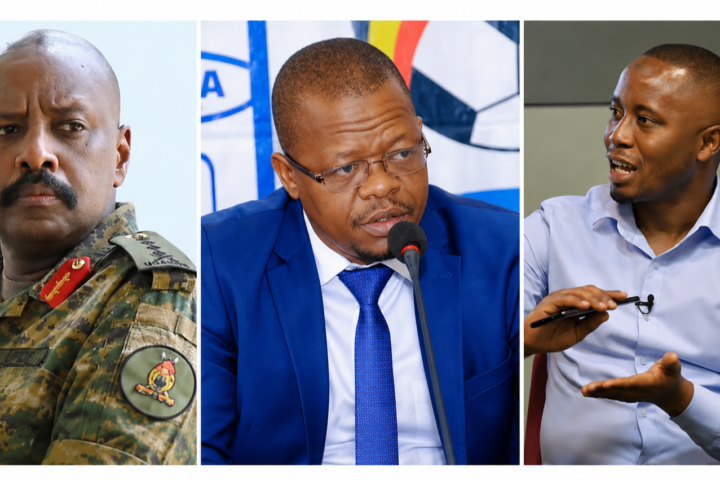
FUFA later backtracked on the proposal after a few games had already been played under the new arrangement. Federation president Moses Magogo eventually announced a return to the traditional league format, stating that FUFA had “listened to the clubs and other stakeholders.”
Few controversies in recent years have threatened the credibility of the league — and even Magogo’s leadership — as seriously as the failed format saga.

Post a comment