

The Federation of Uganda Football Associations (FUFA) is maintaining its firm position that all Uganda Premier League clubs must FULLY own women’s football teams as a mandatory requirement for licensing ahead of the 2026/27 season, a source has told SportsNation Uganda.
Under the current arrangement for the 2025/26 season, clubs without women’s teams were allowed to operate through partnerships with existing women’s clubs as part of the Club Licensing requirements.
Clubs such as KCCA FC currently partner with Kampala Queens, SC Villa works with St Noa, while Vipers SC has an arrangement with Kawempe Muslim among others.
•FUFA demands CAF A for assistant coaches
However, FUFA is making it clear next season that partnerships with external women’s clubs will no longer be sufficient going forward, a source has told SportsNation Uganda.
All top-flight clubs will now be required to fully own and operate women’s teams as part of their club structure, with non-compliance likely to result in ineligibility to participate in the 2026/27 Uganda Premier League season, among other sanctions.
“This is a big burden on us,” said one Uganda Premier League club CEO, who preferred anonymity for fear of repercussions.
“We are aware of the rules, and we wrote to the Federation explaining our challenges. We await for them to make it official and maybe ask for another meeting with the people in Mengo,” the official added.
In addition, the women team must bear the name of the Men’s parent team eg Vipers Women team!
The women’s teams will be required to compete in either the FUFA Women Super League or the FUFA Women Elite League depending on qualification and performance.
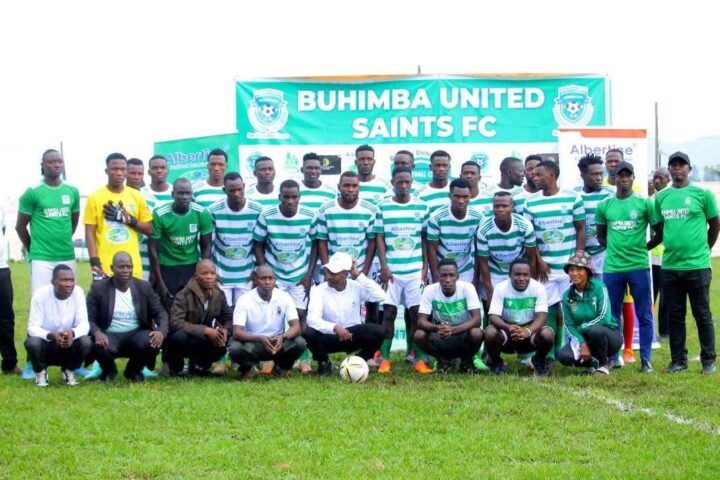
Currently, only about seven Uganda Premier League clubs fully own women’s teams, including Police FC, BUL FC, Maroons FC, Express FC, UPDF FC, Buhimba United Saints and URA FC.
•Referees Beaten in Big League match

FUFA is also reportedly planning a separate Women’s Football League exclusively for women’s teams owned by Uganda Premier League clubs, a move that could significantly reshape the structure of women’s football in the country.
The future of the current FUFA Women Super League under such an arrangement remains uncertain.
This comes at a time when clubs are already struggling with the financial demands of maintaining mandatory junior teams under FUFA regulations, with the addition of women’s teams expected to further stretch already limited resources.
FUFA, last year, assured clubs of support throughout the integration process to ensure a smooth transition.
It is understood that part of this support could come in the form of financial assistance.
Recently, government hinted at releasing Shs5.5 billion to Uganda Premier League clubs, but that was part of preparations for the 2027 Africa Cup of Nations (AFCON), and it remains to be seen whether part of that funding will be directed toward supporting the women’s football requirement.


Post a comment